 ام آی فلش – مرکز تخصصی رام شیائومی | دانلود رام رسمی ، فریمور و فایل فلش شیائومی
- سبد خریدتان خالی است.
The Evolution and Impact of Aviation Chairs: A Comprehensive Overview
 Oren Robbins 4 ماه قبل
Introduction
The aviation chair, often overlooked yet fundamentally crucial, has played a pivotal role in shaping the aviation industry. From the early days of flight to the modern era of luxury air travel, the design, functionality, and safety of aviation chairs have evolved significantly. This article delves into the history, technological advancements, ergonomic considerations, safety standards, and future trends of aviation chairs, highlighting their impact on passenger experience, airline operations, and the broader aviation ecosystem.
Historical Perspective
The inception of aviation chairs dates back to the early 20th century, coinciding with the advent of commercial aviation. In the 1920s, aircraft seating was rudimentary, often consisting of wooden benches or simple wicker chairs. These early designs prioritized functionality over comfort, reflecting the experimental nature of air travel at the time. As aviation technology advanced, so did the design of aircraft seats. The introduction of metal frames and padded cushions in the 1930s marked the beginning of a shift toward passenger comfort.
The post-World War II era saw a surge in commercial aviation, leading to the development of more sophisticated seating solutions. The 1950s and 1960s witnessed the introduction of reclining seats, tray tables, and headrests, setting the foundation for modern aviation chairs. Iconic aircraft like the Boeing 707 and Douglas DC-8 featured seating designs that balanced comfort and space efficiency, catering to the growing demand for air travel.
Technological Advancements
The late 20th and early 21st centuries brought unprecedented technological advancements in aviation chair design. Materials science played a crucial role, with the adoption of lightweight yet durable materials such as aluminum alloys, carbon fiber composites, and advanced polymers. These innovations reduced seat weight, enhancing fuel efficiency and allowing airlines to optimize payload capacity.
Ergonomics emerged as a key focus, driven by the need to address passenger comfort during long-haul flights. Manufacturers began incorporating features like lumbar support, adjustable headrests, and ergonomic armrests. The introduction of lie-flat seats in business and first class revolutionized premium travel, offering passengers a sleep experience akin to a hotel bed.
In-seat entertainment systems further transformed the aviation chair, integrating personal screens, USB ports, and wireless connectivity. These enhancements not only improved passenger engagement but also contributed to a more personalized travel experience. The advent of smart seats, equipped with sensors and IoT capabilities, enabled real-time monitoring of seat occupancy, passenger preferences, and maintenance needs.
Ergonomic Considerations
Ergonomics has become a cornerstone of aviation chair design, addressing the physiological and psychological needs of passengers. Prolonged sitting can lead to discomfort, fatigue, and even health issues such as deep vein thrombosis (DVT). To mitigate these risks, designers employ principles of human factors engineering, ensuring that seats provide adequate support, promote proper posture, and allow for movement.
Seat pitch, width, and recline angle are critical parameters in ergonomic design. Airlines must balance passenger comfort with spatial constraints, particularly in economy class. Innovations like slimline seats and staggered seating configurations have emerged as solutions to maximize legroom without compromising cabin density.
The role of materials in ergonomics cannot be overstated. Memory foam, mesh fabrics, and breathable textiles enhance comfort by distributing pressure and regulating temperature. Additionally, adjustable features empower passengers to customize their seating experience, catering to individual preferences and needs.
Safety Standards and Regulations
Safety is paramount in aviation, and aviation chairs are subject to stringent regulations and certification processes. Regulatory bodies such as the Federal Aviation Administration (FAA) and the European Union Aviation Safety Agency (EASA) mandate compliance with standards related to structural integrity, fire resistance, and emergency evacuation.
Crashworthiness is a critical aspect of seat design, ensuring that chairs withstand impact forces and protect passengers during accidents. Dynamic testing, including sled tests and crash simulations, evaluates seat performance under extreme conditions. The introduction of lightweight materials has necessitated innovative engineering solutions to maintain safety standards while reducing weight.
Fire safety is another key consideration, with seats required to meet flammability standards such as FAR 25.853. Flame-retardant materials and aviator furniture self-extinguishing properties are essential features, minimizing the risk of fire propagation in the cabin.
Environmental Impact
As the aviation industry grapples with sustainability challenges, the environmental impact of aviation chairs has come under scrutiny. The production, use, and disposal of seats contribute to carbon emissions, resource depletion, and waste generation. Manufacturers are increasingly adopting eco-friendly practices, such as using recycled materials, reducing chemical usage, and implementing circular economy principles.
Lightweight seat designs not only improve fuel efficiency but also lower lifecycle emissions. Biodegradable and recyclable materials are gaining traction, offering viable alternatives to traditional plastics and composites. Airlines are also exploring seat refurbishment and repurposing programs to extend product lifespans and minimize waste.
Passenger Experience and Airline Branding
The aviation chair is a critical touchpoint in the passenger journey, influencing perceptions of comfort, luxury, and brand identity. Airlines invest significantly in seat design to differentiate themselves in a competitive market. Premium cabins, in particular, serve as showcases for innovation, featuring bespoke seating solutions that reflect brand values and cater to discerning travelers.
Customization plays a vital role in enhancing passenger experience. From personalized in-seat entertainment to adjustable seating configurations, airlines leverage technology to create tailored journeys. The rise of boutique airlines and low-cost carriers has further diversified seating offerings, catering to a wide range of preferences and budgets.
Brand consistency extends beyond aesthetics to encompass functionality and service. Seats that align with an airline’s brand promise—whether it’s affordability, luxury, or sustainability—reinforce customer loyalty and satisfaction.
Economic Implications
The aviation chair industry is a significant contributor to the global economy, encompassing manufacturers, suppliers, and airlines. The market is characterized by intense competition, with key players such as Safran, Collins Aerospace, and Recaro vying for market share. Innovation and cost efficiency are critical success factors, driving continuous improvement in design and production processes.
Airlines face the challenge of balancing investment in seating upgrades with operational costs. Premium seating, while enhancing revenue potential, requires substantial capital expenditure. Economy class seats, on the other hand, must strike a balance between affordability and comfort to attract price-sensitive travelers.
The aftermarket segment, including seat refurbishment and replacement, presents growth opportunities. As airlines seek to extend the lifespan of their fleets, demand for cost-effective seating solutions is on the rise.
Future Trends
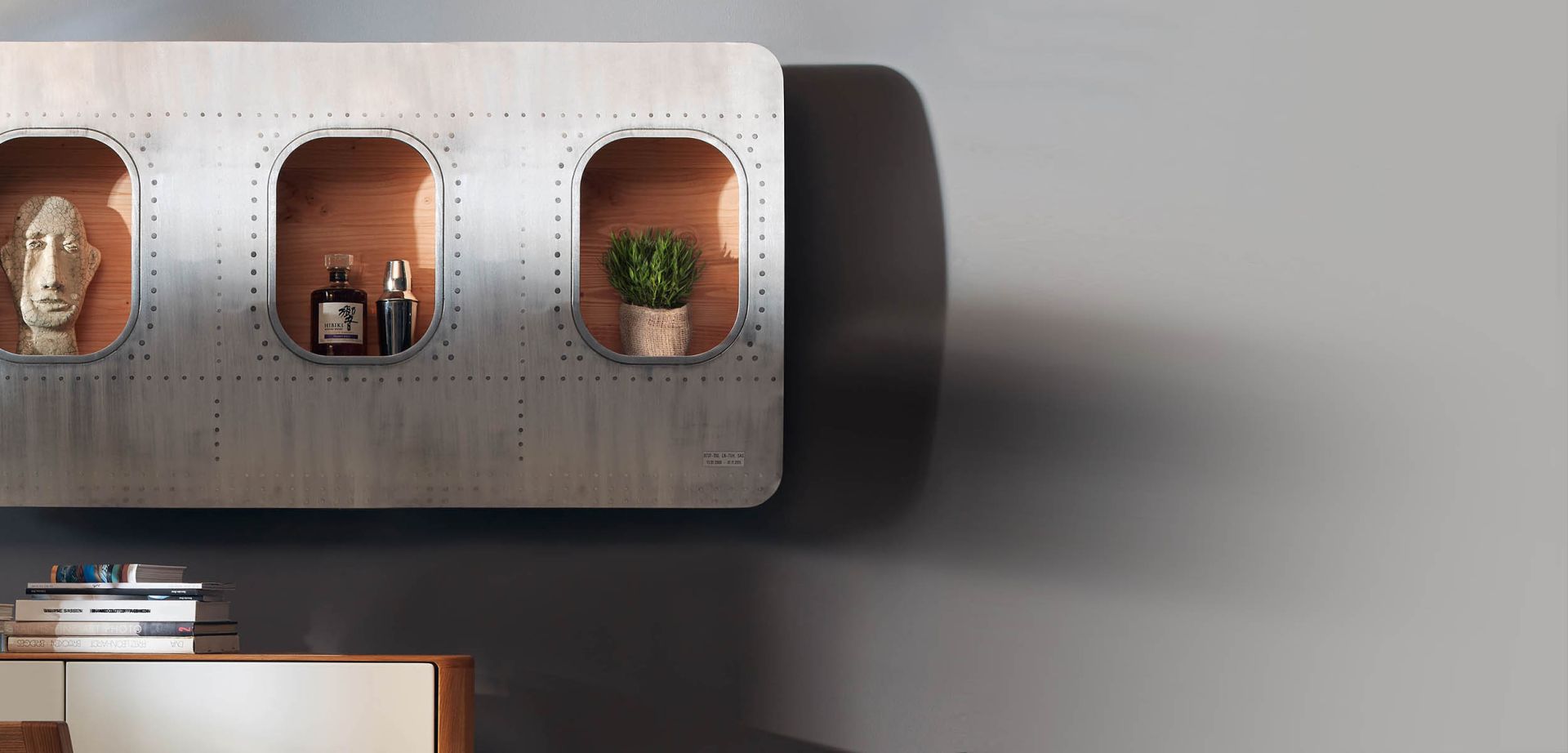
The future of aviation chairs is shaped by emerging technologies, changing passenger expectations, and industry trends. Several key developments are poised to redefine the landscape:
- Sustainability Innovations: The adoption of sustainable materials and manufacturing processes will accelerate, driven by regulatory mandates and consumer demand. Biodegradable composites, 3D printing, and modular designs are expected to gain prominence.
- Personalization and AI Integration: Artificial intelligence will enable hyper-personalized seating experiences, with seats adapting to individual passenger profiles. AI-driven analytics will optimize seat allocation, maintenance, and upgrades.
- Health and Wellness Features: Seats will incorporate health-monitoring capabilities, such as biometric sensors and posture correction systems. Wellness-focused designs will address issues like jet lag and fatigue, enhancing passenger well-being.
- Modularity and Flexibility: Modular seating systems will allow airlines to reconfigure cabins dynamically, catering to varying demand patterns. Convertible seats that transform from daytime to sleeping configurations will become more common.
- Enhanced Connectivity: Integration with in-flight entertainment and communication systems will deepen, offering seamless connectivity and immersive experiences. Wireless charging, high-speed internet, and augmented reality interfaces will become standard features.
Conclusion
The aviation chair, a seemingly mundane component of air travel, is in fact a testament to human ingenuity and innovation. From its humble beginnings to its current state-of-the-art designs, the aviation chair has evolved to meet the demands of a dynamic industry. As technology advances and passenger expectations rise, the future of aviation chairs promises to be even more exciting, blending sustainability, personalization, and cutting-edge functionality. In an era of rapid globalization and increasing air travel, the aviation chair will continue to play a vital role in shaping the way we experience the world from above.
